Summer is here, officially !

I spend ALOT of time outdoors and do a little bit of everything and have finally realized in my ripe age of being 34, that quality counts! It is totally worth it to spend a little more extra money on outdoor gear, to buy a good product with a good warranty program, good customer service, and good return policy. Here is a sample of products that I have great encounters with and recommend.
1) Trekking Poles :
 If you've always looked at those and called them "Nerd Sticks" and thought they were only for grandpas, you are wrong. Since I hike roughly about 550 miles in a short summer season and having knee pain, it is a must to own a pair. They are also great for stream crossings and in case of an emergency can be used as a leg splint. The poles absorb shock and when hiking you put your weight on the poles when going downhill, taking the pressure off of your knees. And it's a workout for your arms, increasing calorie burn. A win win situation.
When buying trekking poles, I recommend having a cork type of grip, because when your hands sweat, they don't cause as much sweat vs. rubber or foam grips. Look for easy, quick locks that will hold the height of the pole in place. The speed locks on Leki Poles are the best I have ever used. Look for a solid alumna tip. Aluminum poles are the lightest. When I hike in the desert, I buy rubber stoppers to protect the bottom tips from getting abraded from the hard rock (and they make less "tinking" noise).
I accidentally bent the lower aluminum portion of my trekking pole while it got lodged in a granite rock crevice, I emailed the Leki company, and withing two days I had a brand new piece, free of charge, as it was covered under the warranty. I've had these poles for over four years and couldn't recommend a better hiking accessory.
2) SUNGLASSES:
Julbo Monterosa (~$180)
Good eye wear is very important to protect the eyes from harmful UV rays. This is especially true when in high altitude conditions, or on mountain ranges where there is snow to reflect where UV rays are stronger and in the desert where it is direct, bright sunlight.

These sunglasses provide anti-glare, anti-fog, polarizing lenses ideal for mountaineering or skiing. The Spectrum 4 lens is really dark and great for bright light (also great for driving in the sun). I had great customer service with Julbo, as I had one pair where the lens was "buffed" in a tiny spot and returned them and they sent me a brand new pair. A few months later, I occurred a scratch on the lens, so I returned the item and once again, they sent me a brand new pair for free under the warranty.
3) SUPPLEMENTS:
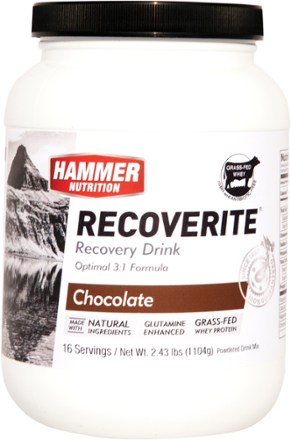 A small Montana, USA based company provides some great supplements that you should be taking when doing longer hikes and intense activities. It is important to eat healthy, stay hydrated, and replace any electrolytes after a day of hiking. It is also critical to replenish your muscles and get plenty of protein to build muscle after intense activity. These two products, are what I use and highly suggest:
Recoverite (~$60): Made with natural ingredients, grass fed whey protein, glutamate enhanced, this is best to take at the end of the day, just mix with water, milk, or juice. It helps to: Restores muscle glycogen, Helps rebuild muscle tissue, and Reduces post-exercise soreness. Variety of flavors include: Chocolate, Orange-Vanilla, Strawberry and Vanilla.
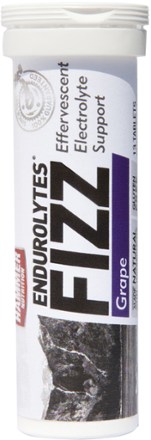 Enduro Fizz: Electrolytes ($5): Fizzy tablets to add to your water bottle as you hike or post hike. Not too sweet, but refreshing in a variety of flavors. These help with: Superior cramp prevention and no refined sugars or artificial sweeteners. I find that I drink *much* more water on the trail if there is a flavor in there. The grape flavor is my favorite.
4) Sleeping Pads:
ThermaRest ($65-120)
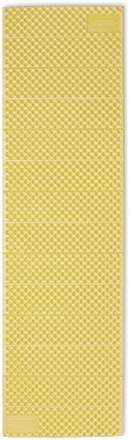
Thermarest is the old school standard and has been around since the 1970s and is still made in Seattle, Washington is part of the Cascade Brand. I had a tiny hole in my sleeping pad once and couldn't find the tiny hole to fix it myself. I sent it to the company and for a small fee of around $30 they fixed it and mailed it back to me. Sometimes, they will just send you a brand new one, if the problem is covered under warranty.
I've used the Z lite ($35-55) self inflating sleeping pad for years, as it has great support, stability, and all season warmth. Other times, I take the Ridge Rest, as I can beat it up a bit more (it is foam) and I enjoy sitting on it without it worrying that it will get a hole and not inflate (very handy in the desert). The Z lite is the lightest, closed cell, standard.
My self inflating Base Camp ($70) is rugged and has never served me any problems. I suggest carrying this in a stuff stack to protect it from poky elements as well.
(in no way have I been paid to endorse these products, these are personal opinions)
