Although Winter has "officially" started only seven days ago.....many are wondering to themselves, "Where is the snow?" I keep asking this myself, and today on my day off, as I was sitting in the glorious sun with it being 50 degrees out and with a sweatshirt. I heard the birds chirping, strange....feels like Spring !
Did you know that oil and natural gas fracking, on average, uses more than 28 times the water it did 15 years ago ? Gulping up to 9.6 million gallons of water per well...Read a good article here:
Get off the computer, close your eyes, and open up a book! Then take action in your local community and do SOMETHING. The world is waiting for you ! AND............a book choice for the new year:
The Water Will Come: Rising Seas, Sinking Cities, and the Remaking of the Civilized World by Jeff Goodell
"An immersive, mildly gonzo and depressingly well-timed book about the drenching effects of global warming, and a powerful reminder that we can bury our heads in the sand about climate change for only so long before the sand itself disappears." (Jennifer Senior, New York Times)
8 years ago, I volunteered two weeks at Uluru-Kata Tjuta National Park in central Australia. Many tourists feel the need to "climb" the rock, but this activity is considered disrespectful by the region’s traditional owners. Every person, needs to be mindful of cultural and spiritual significance of lands when recreating outdoors and pay respect. Some things just need to be left alone.Thankfully, a week ago the management has decided tourists to not be allowed to climb this magical piece of rock. Native's would refer to the tourists as "ants" crawling up the rock. We are all ants, but think about the impact us ants have upon this world.
I spend ALOT of time outdoors and do a little bit of everything and have finally realized in my ripe age of being 34, that quality counts! It is totally worth it to spend a little more extra money on outdoor gear, to buy a good product with a good warranty program, good customer service, and good return policy. Here is a sample of products that I have great encounters with and recommend.
If you've always looked at those and called them "Nerd Sticks" and thought they were only for grandpas, you are wrong. Since I hike roughly about 550 miles in a short summer season and having knee pain, it is a must to own a pair. They are also great for stream crossings and in case of an emergency can be used as a leg splint. The poles absorb shock and when hiking you put your weight on the poles when going downhill, taking the pressure off of your knees. And it's a workout for your arms, increasing calorie burn. A win win situation.
When buying trekking poles, I recommend having a cork type of grip, because when your hands sweat, they don't cause as much sweat vs. rubber or foam grips. Look for easy, quick locks that will hold the height of the pole in place. The speed locks on Leki Poles are the best I have ever used. Look for a solid alumna tip. Aluminum poles are the lightest. When I hike in the desert, I buy rubber stoppers to protect the bottom tips from getting abraded from the hard rock (and they make less "tinking" noise).
I accidentally bent the lower aluminum portion of my trekking pole while it got lodged in a granite rock crevice, I emailed the Leki company, and withing two days I had a brand new piece, free of charge, as it was covered under the warranty. I've had these poles for over four years and couldn't recommend a better hiking accessory.
Good eye wear is very important to protect the eyes from harmful UV rays. This is especially true when in high altitude conditions, or on mountain ranges where there is snow to reflect where UV rays are stronger and in the desert where it is direct, bright sunlight.
These sunglasses provide anti-glare, anti-fog, polarizing lenses ideal for mountaineering or skiing. The Spectrum 4 lens is really dark and great for bright light (also great for driving in the sun). I had great customer service with Julbo, as I had one pair where the lens was "buffed" in a tiny spot and returned them and they sent me a brand new pair. A few months later, I occurred a scratch on the lens, so I returned the item and once again, they sent me a brand new pair for free under the warranty.
A small Montana, USA based company provides some great supplements that you should be taking when doing longer hikes and intense activities. It is important to eat healthy, stay hydrated, and replace any electrolytes after a day of hiking. It is also critical to replenish your muscles and get plenty of protein to build muscle after intense activity. These two products, are what I use and highly suggest:
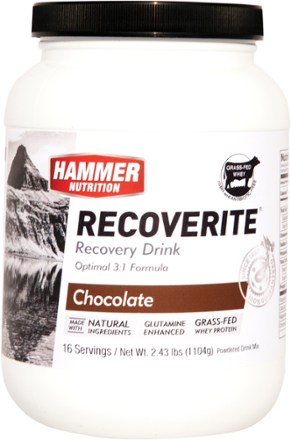
Recoverite (~$60): Made with natural ingredients, grass fed whey protein, glutamate enhanced, this is best to take at the end of the day, just mix with water, milk, or juice. It helps to: Restores muscle glycogen, Helps rebuild muscle tissue, and Reduces post-exercise soreness. Variety of flavors include: Chocolate, Orange-Vanilla, Strawberry and Vanilla.
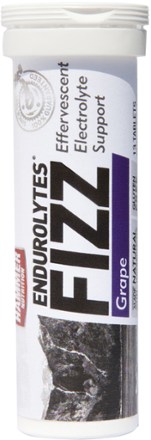
Enduro Fizz: Electrolytes ($5): Fizzy tablets to add to your water bottle as you hike or post hike. Not too sweet, but refreshing in a variety of flavors. These help with: Superior cramp prevention and no refined sugars or artificial sweeteners. I find that I drink *much* more water on the trail if there is a flavor in there. The grape flavor is my favorite.
Now, the world of sleeping pads has evolved greatly over the past decade. You used to not have many options, now you probably have too many to decide from. Every person has a different preference on how much padding they like, or how much weight they want to carry. There are also women specific designs, that have more warmth for the feet. Also, consider the environment you will be camping in. In the mountains, you want to look for warmth, in the desert I tend not to take my blow up sleeping pad as there are too many poking things (like cactus and tumbleweeds) to pop a hole in them. I still use my Thermarest that I've had since 2009. It's wise to give it a good clean at the end of each season.
Thermarest is the old school standard and has been around since the 1970s and is still made in Seattle, Washington is part of the Cascade Brand. I had a tiny hole in my sleeping pad once and couldn't find the tiny hole to fix it myself. I sent it to the company and for a small fee of around $30 they fixed it and mailed it back to me. Sometimes, they will just send you a brand new one, if the problem is covered under warranty.
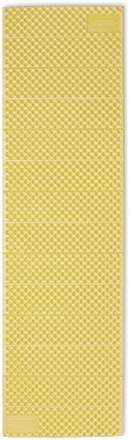
I've used the Z lite ($35-55) self inflating sleeping pad for years, as it has great support, stability, and all season warmth. Other times, I take the Ridge Rest, as I can beat it up a bit more (it is foam) and I enjoy sitting on it without it worrying that it will get a hole and not inflate (very handy in the desert). The Z lite is the lightest, closed cell, standard.
My self inflating Base Camp ($70) is rugged and has never served me any problems. I suggest carrying this in a stuff stack to protect it from poky elements as well.
Come back soon for MORE outdoor gear advice and great products to buy !
(in no way have I been paid to endorse these products, these are personal opinions)
Well, my boyfriend Mike, and I both have the same camera. A Nikon Coolpix AW310 that claims to be waterproof up to 100 feet. After the first day of using them, while snorkeling (less than 3 feet under water) they died. Ker-put. Dead.
We did manage to get some under water photos though. Funny thing, was while we were at the Salt Lake City, Utah airport awaiting our plane to depart, we saw our friend on his way to Belize. He also posted some underwater photos from his diving adventures and also stated that his camera had died. Guess what kind of camera he had?
Yep, the same camera, a Nikon Coolpix AW310. I sent the camera in to see if it could get repaired (my warranty had expired though) and they told me it was unrepairable. It was an expensive camera costing over $300. Note to others: DO NOT BUY A NIKON COOLPIX camera ! Bummer. Major bummer.
follow mikes photos on Instagram: https://www.instagram.com/grinderadventure/
One of our highlights was taking Cayo Norte Water Taxi out to the tiny island of Culebrita, which is also home to the Culebra National Wildlife Refuge. A 40 minute ride on a powered catamaran brought us to some isolated desert beaches. Tortuga Beach was about a 20 minute walk and I must say one of the most beautiful beaches I have ever been to!
photo by Mike G.
We walked to some rocky shorelines and saw the Melones Cactus growing very tall (about 4 feet) and walked around enjoying the fantastic views. There is also an option to walk to an old lighthouse. We then walked about 10 minutes in the other direction to a deserted area called "Treasure Beach."
photo by Mike G - Tortuga Beach on the right
Mike's great video of our journey and the beaches !
Snacks, lounging, and good snorkeling treated us for the rest of the day. I had some cheese slices in my purse that I forgot about, and after snorkeling we came back to discover about 20 hermit crabs invading my purse!
We stayed on the island of Culebra for one week. This was different for me, as when I travel I usually stay in one spot for a few days and then move on. However, it was quite nice to have a "base" and get to know a place better. Not too many days later, did we manage to make some friends and run into them at the only decent grocery store. We rented a golf cart one day and toured pretty much every paved road on the island !
We would sleep in, I would enjoy my coffee while overlooking the bay, and then we would pick a new beach to snorkel in for a few hours. We sampled appetizer dishes at local restaurants and dined on fresh seafood.
Mike managed to catch a lobster under the boat deck one evening ! A fellow man lent him his spear pole, and sure enough, 1/2 an hour later, we boiled the guy for 15 minutes, marinated the lobster in a garlic/lime/soy marinade and grilled him over a hot BBQ grill !
Mosquito bites, sun burns, windy ocean winds, tropical birds and plants, all of which felt good to be out of the element of the desert winter life that was occurring in Utah !
We drove the crazy roads East to Luquillo, where we tasted some soggy fish on a patio, while we watched lizards chase each other around and spent the day touring the port town of Fajardo. A kayak session out to some coral reefs and snorkeling, with a nice ocean side hotel for the night !
An early wake up on a Sunday (note: taxis don't really run much on sundays and many places are closed on Sundays or close around 1 pm). We took a $40 small plane ride out to the island of Culebra. What a journey to see the island and beaches from above !
Mike's video of the plane ride, we couldn't help but laugh with joy !
As Lonely Planet describes it, "a sign on a shop door in the ‘capital’ Dewey
reads ‘Open some days, closed others.’ Welcome to Culebra, the island
that time forgot; mainland Puerto Rico’s weird, wonderful and distinctly
wacky smaller cousin that lies just off the east coast.
Long feted for its diamond-dust beaches and world-class diving reefs, sleepy Culebra is probably more famous for what it hasn’t
got than for what it actually possesses. There are no big hotels here,
no golf courses, no casinos, no fast-food chains, no rush-hour traffic,
no postmodern stress and no problemas, amigo."
The early part of February is a great time to escape the long, cold, dark days of Winter. The time when Winter just seems to never end, and you pretty much are ready for Spring flowers and warmer weather to be here. 2017 is off to a great start and a 12 day trip down to Puerto Rico in the Caribbean was exactly what I needed !
Puerto Rico is an unincorporated territory of the United States, which was gained US citizenship in 1917. A relatively small island with just over 3000 sq miles but containing over 3 million people ! After a very long travel day, we arrived in the capital of San Juan. We had some time and a rental car and drove all around the city and it's outer regions. The main city of San Juan was very clean, upscale, and loaded with hotels and tourist attractions along the beach.
However, the farther we traveled away from here, the more it changed. Shackled houses, many dogs lounging in the streets, stray cats, garbage everywhere (old cars would be dumped and growing into the forest, couches, etc). Which made us think, exactly how do they remove all the large garbage items from an island? Has to be super expensive to transport away and then get shipped to....where?
We stayed near the El Yunque National Forest, which is the only tropical rainforest within the US Forest System. Large green plants, stunning flowers, birds, and jungle like atmosphere greeted us and we had a relaxing day to catch up on our sleep.
OH ! so that is how pineapples grow ! neat !
Video of birds and nightlife sounds in the forest by Mike:
The roads are crazy island roads and Puerto Rico has more cars per capita than Los Angles ! Roads were very narrow, no middle line, curvy, and giant giant potholes. We once saw a wild horse bolt out right in front of us and continue up the road towards us! Not to mention, dodging the stray cats and dogs. Below is a video my boyfriend, Mike took! Check it out:
After some rest and fresh sushi, more beach time, we drove East towards the coast (well everywhere seems like the "coast" on an island, ha ha), we stopped to have lunch in Luquillo.
Well, times sure are changing and FAST. Oh wow. Every day is a new day and with the current political storm out there, the National Park Service is not letting their mission go unheard ! Here are some recent articles, thoughts, and pictures that I find interesting. NY Times Article: Park Rangers To the Rescue
Some thoughts by a fellow Ranger named Lydia Rose that I can completely relate to: "Seven years. It's been seven years since my first job as a Park
Ranger for the National Park Service. I never knew the types of
experiences this job would allow me to have-- I've traveled from the
raging rivers of the east to the smoking volcanoes of Hawaii. From the
deep caves of Carlsbad Caverns to the high peaks of the Rocky Mountains.
I've backpacked the hills of Santa Monica and paddled amongst the
mangroves of the Everglades. I never thought I could love a job so much.
My pictures illuminate my passion for the diverse ecosystems that exist
within this country, America the beautiful. But this post isn't meant to brag. In fact, it is intended to do just the opposite. You've seen my photos; however, you've seen only what I want you to
see: the beautiful vistas, the wildlife, the smiles, the traveling. What
you don't see are the hardships, the struggles, the sacrifices I've
made to pursue my passion. I've missed countless weddings, birthday
parties, retirement parties, showers, funerals, family reunions, births.
I live at poverty level- qualifying for, but seldom using, any form of
public assistance. I only own what I can carry on my back. I don't
always have access to a shower or a washing machine. I've lived in my
car for months at a time in the sweltering heat and the freezing cold. I
do not receive health benefits, have a retirement plan, or qualify for
student loan deferment. I do not have a consistent social life. I have
no clue where I'll be living come April. I only get to see my family
every few years, when I can afford it. But I never complain because
I love our country. I value the heritage of this country over my own
financial stability. I value the future of this country over my own
future. I did not serve this country in a war, but everyday that I wake,
I serve to protect the very nature of what makes this country a
beautiful place to call home.
Let me introduce myself. I am a Park
Ranger. You may see me pointing out the location of the bathroom,
handing someone a map, or selling some postcards. But you may also see
me rescuing an injured animal, administering oxygen to a visitor,
cleaning graffiti off of a rock, picking up trash, searching for a
missing person, directing traffic at the scene of an accident, assisting
an arrest, planting native trees, hosing down areas to deter unintended
wildfires, evacuating unsafe areas (all of which I have done in the
past seven years). I also lead trips- hiking, paddling, biking- to
connect people with the unique resources that we have here in America.
These resources attract people from all over the world who want to pay
good money just to see our world-class caves, mountains, rivers, hot
springs, coastlines.
I love what I do for a living. I sacrifice a lot
for my seasonal job. And after seven years of sacrifices, I may
potentially lose my career opportunity to someone trying to Make America
Great Again with an all-encompassing federal hiring freeze. In my
eyes, America is great. America has always been great. I encourage you
to visit a National Park and find a Park Ranger- they will be happy to
show you just how great America is. It is our job. And when this
administration has told every last Park Ranger: "you're fired!" America
will still be great. In the words of the great Edward Abbey, "A patriot
must always be ready to defend his country against his government." "
Disclaimer: these words and statements are my own, crystal muzik, and this is a personal weblog. The opinions expressed here represent my own and not those of my employer. A link to an external site does not imply an endorsement of the views,
information or products provided or held by such websites.
I meet alot of people, people of all kinds from all different backgrounds. Sometimes I meet them in parking lots, traveling, or through work. I thought I would share some neat things that my friends are doing out there in the world. Make a difference, don't settle for an ordinary life. Think outside the box, heck, get your bones out of the box ! Get those feet moving ! Get that creativity and soulful work put to use ! DREAM BIG !
My past co-worker, Andrea, has spent the winter racing/training sled dogs in NORWAY. WOW ! Sounds dark and cold but dreamy ! Here is her blog on life: Life working in a distance racing kennel
photo by Andrea
My other friend/acquaintance, Zoe, I met in a Moab parking lot. She is now over in Mongolia working with the Bankhar Dog Project. The Mongolian Bankhar Dog Project is a 501(c)3 nonprofit organization
whose mission is to help slow down and reverse the desertification of
the Mongolian Grassland Steppes, and to preserve and protect traditional
Mongolian culture. We strive toward these goals by resuscitating the
traditional use of the livestock guardian dog known as the ‘Bankhar
dog’.
MBDP researches, breeds, and trains Mongolian
Bankhar livestock protection dogs and places these working dogs in
homes of nomadic herding families on the Mongolian steppe, where the
Bankhar perform their traditional role of protecting livestock herds
(sheep, goat, horse, camel, yak) against large carnivorous predators
including snow leopards, wolves, brown bears, foxes and eagles. Read more here: http://www.bankhar.org/
photo by zoe, working with the bankahr dogs
Jonah and his packraft
Another friend, Jonah, who is a seasonal river/tour guide, saved up enough money to backpack one of the most epic, longest hiking trails this winter. The mighty Te Araroa Trail, over 3000 km !! WOW! Visit his blog here: http://dudetrek.com/




 Disclaimer: these words and statements are my own, crystal muzik, and t

